
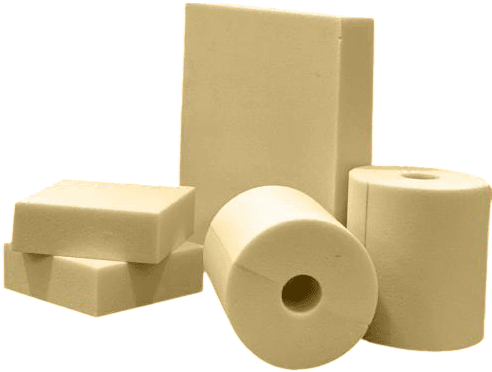
As industries and buildings move toward higher energy efficiency and long-term operational reliability, insulation materials play a critical role in overall system performance. Among advanced insulation solutions, Polyisocyanurate (PIR) insulation has emerged as one of the most effective materials for thermal control in commercial, industrial, and infrastructure applications.
Before the development of Polyisocyanurate (PIR) insulation, Polyurethane (PUR) insulation was widely used in industrial and building applications because of its good thermal performance and lightweight structure. Polyurethane (PUR) provided reliable insulation for pipelines, refrigeration systems, and building envelopes for many years. However, as industries began demanding better fire performance, higher thermal stability, and improved long-term durability, insulation technology continued to evolve. This led to the development of Polyisocyanurate (PIR) insulation, an advanced form of polyurethane foam designed to offer enhanced thermal efficiency, fire resistance, and overall performance.
At Nextera, we focus on insulation solutions that deliver measurable performance, durability, and value. Polyisocyanurate (PIR) insulation aligns strongly with these requirements, making it a preferred choice for projects where thermal efficiency and space optimisation are essential.
What Is Polyisocyanurate (PIR) Insulation?
Polyisocyanurate (PIR) insulation is a rigid, closed-cell foam insulation manufactured through a controlled chemical reaction that creates a stable, high-density structure. The closed-cell composition significantly reduces heat transfer, resulting in exceptional thermal resistance compared to many conventional insulation materials.
Polyisocyanurate(PIR) insulation is widely used in:
- Building envelopes
- Industrial process insulation
- HVAC systems
- Piping, tanks, and equipment insulation
Its ability to maintain thermal performance over long service periods makes it suitable for demanding operating environments.
Key Performance Advantages of Polyisocyanurate ( PIR) Insulation
1. Superior Thermal Efficiency
One of the defining characteristics of Polyisocyanurate(PIR) insulation is its high thermal resistance per unit thickness. This allows designers and engineers to achieve required insulation values using thinner sections, which is especially beneficial where space constraints exist.
This performance contributes directly to:
- Reduced energy loss
- Improved temperature stability
- Lower heating and cooling demand
2. Long-Term Energy Savings
By limiting heat transfer, Polyisocyanurate (PIR) insulation helps reduce operational energy consumption across HVAC systems, industrial pipelines, and building structures. Over time, this translates into lower operating costs and improved energy efficiency metrics, supporting sustainability goals and regulatory compliance.
3. Moisture Resistance and Dimensional Stability
The closed-cell structure of Polyisocyanurate(PIR) insulation provides excellent resistance to moisture ingress. This helps prevent:
- Loss of thermal performance
- Corrosion under insulation (CUI) risks
- Mold or microbial growth
Additionally, Polyisocyanurate (PIR) maintains dimensional stability across a wide temperature range, ensuring consistent insulation performance throughout its lifecycle.
4. Fire Performance Characteristics
Polyisocyanurate(PIR) insulation is engineered to offer improved fire behaviour compared to traditional polyurethane foams. When exposed to high temperatures, Polyisocyanurate (PIR) tends to form a protective char layer, which slows flame spread and enhances safety in industrial and commercial installations.
Applications of Polyisocyanurate (PIR) Insulation
Due to its versatile performance profile, Polyisocyanurate (PIR) insulation is suitable for a wide range of applications:
- Commercial and industrial roofing systems
- HVAC ducting and air handling units
- Hot and cold process pipelines
- Storage tanks and vessels
- Industrial equipment and mechanical systems
Its lightweight nature also simplifies handling and installation, reducing project timelines and labour requirements.
Polyisocyanurate (PIR) Insulation vs Conventional Materials
Compared to traditional insulation materials such as fiberglass and EPS, Polyisocyanurate (PIR) insulation offers several advantages, including:
- Higher thermal resistance with reduced thickness
- Better moisture resistance
- Improved long-term thermal consistency
- Lower overall insulation volume for the same performance
These advantages make Polyisocyanurate (PIR) insulation particularly suitable for modern, performance-driven construction and industrial applications. projects.
Sustainability and Environmental Considerations
Polyisocyanurate (PIR) insulation contributes to sustainability primarily through energy efficiency. By reducing energy demand for heating and cooling, it helps lower indirect carbon emissions over the lifespan of a building or system.
Modern Polyisocyanurate (PIR )insulation solutions are also manufactured with evolving environmental standards in mind, supporting responsible material selection in green building initiatives.
Why Polyisocyanurate (PIR) Insulation from Nextera?
At Nextera, insulation solutions are evaluated not just for performance, but for real-world reliability. Polyisocyanurate(PIR) insulation fits seamlessly into Nextera’s approach of delivering materials that meet engineering requirements, regulatory expectations, and long-term value for clients.
Our expertise ensures:
- Correct insulation selection for each application
- Compliance with industry standards
- Consistent quality and performance assurance
Conclusion
Polyisocyanurate (PIR) insulation stands out as a high-performance thermal insulation solution for today’s energy-conscious industries and buildings. With superior thermal efficiency, moisture resistance, fire performance, and long-term stability, Polyisocyanurate(PIR) insulation delivers both operational and economic benefits.
For projects that demand efficiency, durability, and technical reliability, Polyisocyanurate (PIR) insulation from Nextera provides a future-ready insulation solution built for performance.
Frequently Asked Questions
1. What is Polyisocyanurate (PIR) insulation?
Polyisocyanurate (PIR) insulation is a rigid foam insulation material known for its high thermal resistance and lightweight structure. It is widely used in commercial buildings, industrial facilities, HVAC systems, and piping applications to reduce heat transfer and improve energy efficiency.
2. What is the difference between Polyurethane(PUR) and Polyisocyanurate(PIR) insulation?
PUR (Polyurethane) insulation was commonly used earlier for thermal insulation in buildings and industrial systems. Polyisocyanurate(PIR) insulation is an advanced version of polyurethane foam that offers improved fire performance, higher thermal stability, and better long-term insulation efficiency.
3. Where is Polyisocyanurate(PIR) insulation commonly used?
Polyisocyanurate(PIR) insulation is commonly used in roofing systems, HVAC ductwork, industrial pipelines, storage tanks, and building envelopes. Its high thermal efficiency and moisture resistance make it suitable for both commercial and industrial insulation applications.
4. Why is Polyisocyanurate(PIR) insulation considered energy efficient?
Polyisocyanurate(PIR) insulation has a high thermal resistance value, which helps reduce heat loss or heat gain in buildings and industrial systems. This improved insulation performance lowers energy consumption for heating and cooling, helping reduce overall operating costs.
5. Is Polyisocyanurate(PIR) insulation resistant to moisture?
Yes, Polyisocyanurate(PIR) insulation has a closed-cell structure that helps limit moisture absorption. This property helps maintain insulation performance and reduces the risk of problems such as mold growth or corrosion under insulation.
6. Is Polyisocyanurate(PIR) insulation suitable for industrial applications?
Yes, Polyisocyanurate(PIR) insulation is widely used in industrial environments due to its thermal efficiency, dimensional stability, and durability. It is commonly applied in process pipelines, refrigeration systems, and mechanical equipment insulation.
7. What are the main benefits of Polyisocyanurate(PIR) insulation?
The main benefits of Polyisocyanurate(PIR) insulation include high thermal efficiency, reduced insulation thickness, moisture resistance, improved fire performance, and long-term durability. These advantages make it a reliable solution for modern energy-efficient construction and industrial systems.