
nextera
Inspection Plugs: Enabling Reliable Ultrasonic Thickness Testing in Industrial Insulation
Industrial pipelines and vessels are commonly protected with insulation systems to maintain operating temperatures and improve energy efficiency. While insulation provides operational benefits, it can make routine inspection of the underlying equipment more challenging.
Inspection plugs provide a practical solution by creating dedicated access points that allow technicians to perform inspections without removing or damaging the insulation system. These components play an important role in ultrasonic thickness testing (UTT) programs used to monitor the condition of industrial pipelines and pressure equipment.
Understanding Ultrasonic Thickness Testing
Ultrasonic thickness testing is a widely used non-destructive testing (NDT) method for measuring the wall thickness of metal components such as pipes, tanks, and pressure vessels. The technique works by transmitting ultrasonic sound waves through the material and measuring the time it takes for the signal to return.
In insulated piping systems, inspections are typically performed at designated Thickness Measurement Locations (TMLs). These locations allow engineers to track wall thickness changes over time and determine corrosion rates.
Inspection plugs make it possible to access these testing locations easily without disrupting the insulation system.
The Role of Inspection Plugs in Insulated Systems
Inspection plugs are installed within insulation cladding at specific inspection points. During inspection activities, technicians can remove the plug and perform ultrasonic measurements directly on the pipe surface.
Once testing is completed, the plug is reinstalled to restore the insulation barrier.
This approach provides several operational advantages:
- Faster access to inspection locations
- Reduced insulation damage during maintenance
- Lower inspection and repair costs
- Consistent measurement locations for reliable inspection data
By enabling easy access to inspection points, inspection plugs help support efficient asset integrity management programs.
Preventing Corrosion Under Insulation
One of the most significant risks in insulated piping systems is corrosion under insulation (CUI). Moisture that enters insulation layers can remain trapped and cause hidden corrosion on the pipe surface.
Inspection plugs help reduce this risk by sealing openings in the insulation system. High-quality plugs are designed with durable sealing materials such as EPDM or silicone, which provide resistance to environmental exposure and temperature fluctuations.
When properly installed, inspection plugs help protect the insulation system and reduce the risk of moisture ingress.
Key Design Features of Inspection Plugs
Although inspection plugs are relatively small components, their design plays a critical role in ensuring long-term performance.
Important features typically include:
Durable sealing materials
These materials help create a secure barrier that prevents moisture and contaminants from entering the insulation system.
Protective metal cap
A metal cap shields the sealing material from mechanical damage, UV exposure, and environmental wear.
Retention systems such as lanyards
These help prevent the cap from being misplaced during inspection activities and ensure that the plug remains secure.
Together, these components help maintain insulation integrity while enabling reliable inspection access.
Industrial Applications
Inspection plugs are widely used in industries where insulated pipelines require routine inspection and monitoring.
Common applications include:
- Oil and gas facilities
- Petrochemical plants
- LNG terminals
- Power generation plants
- Chemical processing industries
In these environments, inspection plugs support routine inspection programs that help maintain the reliability and safety of industrial assets.
Nextera’s Approach to Inspection Access Solutions
Nextera manufactures and supplies high-performance inspection access components designed for insulated industrial systems. These solutions are developed to support safe and efficient inspection activities while maintaining the integrity of insulation and cladding systems.
By focusing on durable materials, reliable sealing performance, and practical design, Nextera’s inspection plugs help technicians access thickness measurement locations for ultrasonic testing without damaging insulation layers. This supports efficient inspection processes while helping industrial facilities protect pipelines and equipment from moisture ingress and corrosion risks.
Conclusion
Inspection plugs play a vital role in enabling efficient ultrasonic thickness testing(UTT) in insulated industrial systems. By providing reusable access to inspection points, these components help maintenance teams monitor corrosion, protect insulation systems, and maintain reliable operations.
Although small in size, inspection plugs contribute significantly to effective asset integrity management and the long-term reliability of industrial infrastructure.
Frequently Asked Questions
What is an inspection plug used for?
An inspection plug provides access to insulated pipelines and equipment for ultrasonic thickness testing and other inspection methods without removing insulation.
Why are inspection plugs important in insulated pipelines?
Inspection plugs allow technicians to access Thickness Measurement Locations (TMLs) repeatedly while maintaining the insulation system, making inspections faster and more reliable.
How do inspection plugs help prevent corrosion under insulation?
High-quality inspection plugs create a tight seal that prevents moisture from entering insulation layers, reducing the risk of corrosion under insulation (CUI).
What materials are commonly used in inspection plugs?
Inspection plugs typically use elastomer sealing materials such as EPDM or silicone, combined with protective caps made from aluminum or stainless steel.
In which industries are inspection plugs commonly used?
Inspection plugs are widely used in oil and gas, petrochemical plants, LNG terminals, power plants, and chemical processing facilities.
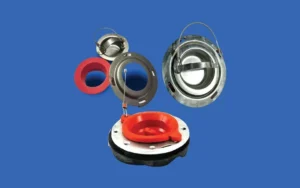
Industrial pipelines and vessels are commonly protected with insulation systems to maintain operating temperatures and improve energy efficiency. While insulation provides operational benefits, it can make routine inspection of the underlying equipment more challenging. Inspection plugs provide a practical solution by creating dedicated access points that allow technicians to perform inspections without removing or damaging […]
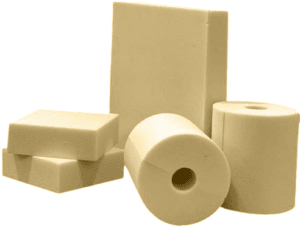
As industries and buildings move toward higher energy efficiency and long-term operational reliability, insulation materials play a critical role in overall system performance. Among advanced insulation solutions, Polyisocyanurate (PIR) insulation has emerged as one of the most effective materials for thermal control in commercial, industrial, and infrastructure applications. Before the development of Polyisocyanurate (PIR) insulation, […]
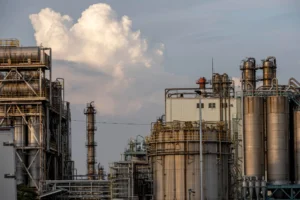
Industrial insulation systems face multiple challenges, including fire exposure, corrosion, and long-term durability issues. Selecting the right cladding material plays a critical role in protecting assets, insulation, and personnel. Aluminized steel cladding — a material combining the structural strength of steel with the corrosion resistance of aluminium — is increasingly specified where fire safety and […]
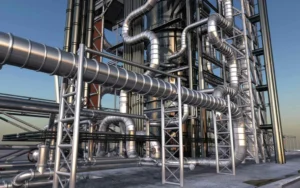
In industrial sectors such as oil & gas, power generation, and petrochemical processing, material failure is not an option. Extreme heat, corrosive atmospheres, and fire risk demand cladding materials that deliver long-term reliability. Aluminized steel cladding has become a preferred choice for protecting insulated pipes, equipment, and structures operating under these harsh conditions. This article […]
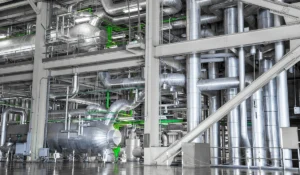
Choosing the right insulation cladding material is critical for ensuring long-term system performance, safety, and reliability. The correct jacketing not only protects insulation but also prevents moisture intrusion, corrosion, and energy loss. At Nextera Insulations, we guide industries in selecting cladding materials that meet the demands of various environments and applications. 1. Operating Temperature Requirements […]
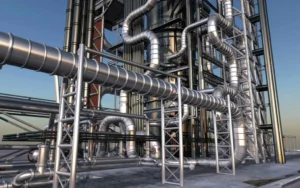
The insulation cladding industry is undergoing rapid advancement as organizations seek long-lasting protection, improved safety, and higher energy efficiency. At Nextera Insulations, we observe emerging trends that are redefining how industries protect their thermal systems. Cladding is no longer just a protective shell—it has become an essential engineering component supporting sustainability and system reliability. 1. […]
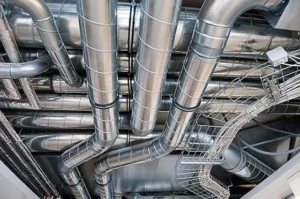
Insulation cladding is essential for protecting mechanical systems from weather exposure, moisture, corrosion, and mechanical damage. Although cladding materials like aluminium and stainless steel are highly durable, their performance depends heavily on proper installation and maintenance. Unfortunately, many facilities make mistakes that compromise insulation performance and accelerate degradation. This article highlights the most common insulation […]
Energy management has become a top priority across industrial, commercial, and HVAC sectors. Rising energy prices, sustainability goals, and strict regulatory requirements are pushing companies to find ways to reduce heat loss, improve system performance, and extend equipment life. One highly effective—but often overlooked—solution is proper insulation cladding. Many facilities invest in insulation but fail […]
In industrial, commercial, and HVAC applications, insulation systems play a vital role in improving energy efficiency, minimizing heat loss, and ensuring safety. However, insulation alone is not enough — it requires proper cladding to remain durable and effective over time. Cladding acts as the outer protective layer of an insulation system, shielding it from physical […]
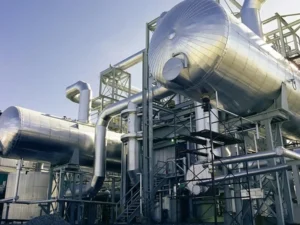
In industries where temperature control plays a critical role, insulation is far more than a protective layer — it’s the foundation of efficiency, safety, and longevity. Whether it’s maintaining high temperatures in processing plants or preserving low temperatures in refrigeration systems, the type of insulation you choose determines system performance and energy savings. Hot and […]