
nextera
Top Questions to Ask Before Buying Industrial Insulation Products
Selecting the right industrial insulation products is a critical decision that impacts energy efficiency, process safety, and operational reliability. In sectors like oil & gas, power generation, and petrochemical processing, insulation is not just about saving energy — it’s about maintaining optimal process temperatures, protecting personnel, and ensuring equipment longevity.
With multiple insulation materials available — from mineral wool and calcium silicate to ceramic fiber and foam glass — understanding what to ask before purchase helps you choose the right solution for your specific industrial environment.
Here are the top questions every facility engineer, procurement manager, or project consultant should ask before selecting insulation materials for their plant.
1. What Type of Insulation Is Suitable for My Industrial Application?
Different processes require different insulation types based on temperature range, exposure, and operating conditions.
For example:
- Refineries and Petrochemical Units often use mineral wool or calcium silicate for high-temperature pipelines and reactors.
- Power Plants may use ceramic fiber or foam glass for boilers, turbines, and ducts.
- Cryogenic Plants need insulation with low thermal conductivity and moisture resistance.
Tip: Choose insulation rated for your process temperature and environmental exposure — whether it’s high heat, humidity, or corrosive atmosphere.
2. What Is the Thermal Conductivity (λ-Value) or R-Value of the Material?
The λ-value (thermal conductivity) or R-value (thermal resistance) defines how effectively a material resists heat flow.
Lower thermal conductivity means better insulation performance.
Ask your supplier:
- What is the λ-value at operating temperature?
- How does performance vary at different temperature ranges?
- Is the insulation tested under ASTM & BS standards?
Consistent thermal performance ensures reduced energy loss and improved process efficiency — crucial in energy-intensive operations.
3. Is the Material Fire-Resistant and Safe for Industrial Use?
Fire safety is a major consideration in refineries and power plants.
Ensure your insulation materials are non-combustible, non-toxic, and compliant with industrial fire safety standards such as ASTM E84, BS 476.
Ask:
- Is the product rated for high-temperature and flame resistance?
- Does it emit smoke or toxic gases under fire conditions?
4. How Does the Material Perform Against Moisture and Corrosion?
Moisture and condensation are common challenges in industrial facilities.
Poor insulation can lead to corrosion under insulation (CUI) — a major cause of equipment damage and downtime.
Ask your provider:
- Is the material hydrophobic (water-repellent)?
- Does it require a vapor barrier or protective cladding?
- How does it perform in humid or coastal environments?
Selecting moisture-resistant insulation minimizes corrosion risk and extends equipment life.
5. What Are the Long-Term Energy and Cost Benefits?
Industrial insulation should offer measurable ROI through energy savings and process optimization.
Although premium materials may have higher upfront costs, they often deliver long-term energy efficiency and reduced maintenance expenses.
Ask:
- What is the expected energy saving percentage per year?
- What is the estimated payback period?
- How long will the insulation retain its performance?
6. Is the Material Environmentally Responsible?
Industrial plants are increasingly focused on sustainability and emission reduction.
Choose insulation materials that are eco-friendly, recyclable, and compliant with environmental standards.
Ask your supplier:
- Is the insulation free from asbestos and harmful chemicals?
- Does it help in meeting Estidama, LEED or ISO 14001 certifications?
- Is it designed for low lifecycle carbon footprint?
7. Who Is the Manufacturer or Supplier?
The quality and reliability of insulation materials depend on the expertise of the supplier.
Choose a provider with a proven industrial track record, technical knowledge, and adherence to international standards.
8. Does the Product Come With a Warranty or Performance Guarantee?
Always check for a warranty or long-term performance guarantee.
It reflects the manufacturer’s confidence in material durability and performance consistency.
Ask about:
- Warranty coverage period
- Thermal performance guarantee
- Replacement or maintenance policy
Reliable insulation partners stand behind their materials — ensuring peace of mind for critical industrial projects.
9. How Easy Is It to Install and Maintain?
Ease of installation affects both cost and efficiency.
Ask whether the insulation is modular, pre-formed, or requires field fabrication.
Also confirm:
- Is special training needed for installation?
- What are the recommended maintenance intervals?
- Can damaged sections be easily replaced?
Proper installation is key to achieving optimal thermal efficiency and safety compliance.
10. How Does Insulation Impact Overall Energy Performance in Plants?
High-quality industrial insulation minimizes heat loss, improves system efficiency, and lowers emissions.
Well-insulated systems reduce the load on boilers, turbines, and HVAC units — resulting in consistent process temperatures and lower operating costs.
Industrial insulation is not just a protective layer — it’s a strategic investment in energy efficiency, safety, and sustainability.
Conclusion
Before purchasing insulation for your plant or facility, evaluate its thermal performance, fire safety, moisture resistance, durability, and environmental impact.
Asking the right questions ensures that your investment delivers long-term energy savings and process reliability.
With years of technical expertise, Nextera Insulations offers customized industrial insulation solutions engineered for performance, safety, and sustainability — helping your facility achieve maximum energy efficiency and reduced operational costs.
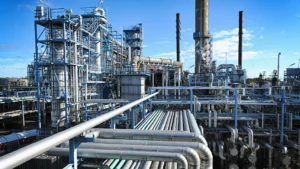
Selecting the right industrial insulation products is a critical decision that impacts energy efficiency, process safety, and operational reliability. In sectors like oil & gas, power generation, and petrochemical processing, insulation is not just about saving energy — it’s about maintaining optimal process temperatures, protecting personnel, and ensuring equipment longevity. With multiple insulation materials available […]
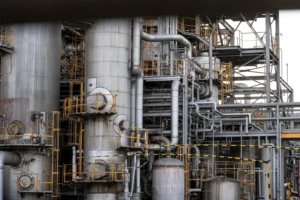
In today’s energy-conscious industrial landscape, improving operational efficiency and minimizing energy waste are top priorities. One of the most effective methods to achieve these goals is through thermal insulation. In large-scale industries such as oil and gas refineries, power plants, and petrochemical facilities, maintaining process temperature and preventing heat loss are critical for performance, safety, […]