
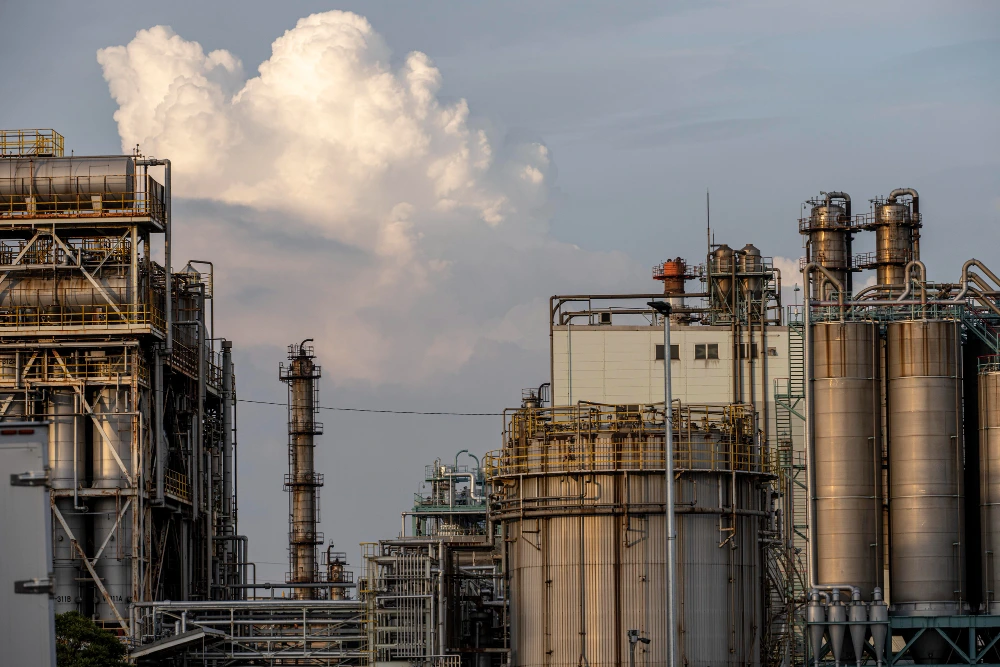
Industrial insulation systems face multiple challenges, including fire exposure, corrosion, and long-term durability issues. Selecting the right cladding material plays a critical role in protecting assets, insulation, and personnel. Aluminized steel cladding is increasingly specified where fire safety and high-temperature performance are essential.
This article focuses on why aluminized steel is preferred for fire-safe industrial insulation systems.
Fire Risks in Industrial Insulation Systems
Facilities such as refineries, petrochemical plants, and gas processing units operate under conditions where fire risk is unavoidable. Conventional cladding materials may degrade, peel, or lose protective properties under extreme heat, increasing safety and maintenance concerns.
Passive Fire Protection with Aluminized Steel
Aluminized steel cladding provides inherent passive fire resistance without relying on additional coatings. During fire exposure:
- The aluminium layer supports surface stability
- Protective performance is maintained at high temperatures
- Structural integrity is enhanced through alloy layer formation at extreme heat
This makes aluminized steel suitable for installations where fire resistance is a design requirement.
Performance at Elevated Operating Temperatures
Unlike polymer-coated or painted materials, aluminized steel cladding retains its protective properties at high operating temperatures. It resists oxidation caused by combustion by-products and performs reliably under thermal cycling common in industrial operations.
Corrosion Protection in Aggressive Environments
Moisture, chemicals, and saline atmospheres are common contributors to corrosion under insulation. Aluminized steel cladding offers:
- Stable corrosion resistance through a passive oxide layer
- Protection extending to exposed cut edges
- Reliable performance in industrial and marine environments
These characteristics support long-term service life with reduced maintenance.
Applications Where Fire-Safe Cladding Is Critical
Aluminized steel cladding is widely used in:
- Oil & gas facilities
- Petrochemical and chemical processing plants
- LNG terminals and storage systems
- Power generation and industrial heating installations
Its performance makes it suitable for both high-risk and high-temperature applications.
Fabrication and Installation Advantages
Aluminized steel cladding can be easily fabricated into various profiles, including corrugated and roll-formed designs. Availability in multiple thicknesses allows flexibility during installation while maintaining mechanical strength.
Standards and Specification Confidence
Manufactured in line with internationally recognised ASTM standards, aluminized steel cladding provides engineers and consultants confidence in consistent quality and performance for fire-prone industrial environments.
Important Technical Note
Material performance may vary depending on grade, coating mass, operating temperature, and installation conditions. Specifications should always be reviewed based on individual project requirements.
Nextera’s Approach to Fire-Safe Cladding Systems
Nextera supports industrial clients by delivering performance-driven insulation and cladding solutions. By focusing on material behaviour, safety requirements, and operating conditions, Nextera helps ensure long-term reliability of insulation systems.
Conclusion
For industrial facilities where fire safety, corrosion resistance, and high-temperature stability are critical, aluminized steel cladding offers a dependable and proven solution. Its performance characteristics make it a preferred choice for modern fire-safe insulation systems.
Frequently Asked Questions
1. Why is aluminized steel cladding considered fire-safe for industrial insulation systems?
Aluminized steel cladding is considered fire-safe because it provides passive fire protection without relying on organic coatings. The aluminium-silicon alloy layer remains stable under fire exposure, helping the cladding retain its structural integrity at elevated temperatures. This makes it suitable for facilities where fire resistance is a critical design requirement.
2. How does aluminized steel perform during high-temperature fire exposure?
During fire exposure, the aluminium layer on aluminized steel forms a protective oxide barrier that slows further oxidation and heat degradation. Unlike painted or polymer-coated materials, it does not peel or emit harmful fumes, ensuring reliable performance in high-temperature industrial environments.
3. Is aluminized steel cladding suitable for continuous high operating temperatures?
Yes. Aluminized steel cladding is designed to perform reliably at elevated continuous operating temperatures, making it ideal for refineries, power plants, and process industries. It withstands thermal cycling and resists oxidation caused by combustion by-products, ensuring long-term protection of insulation systems.
4. How does aluminized steel protect against corrosion under insulation (CUI)?
Aluminized steel offers enhanced resistance to corrosion under insulation (CUI) through its aluminium-rich coating, which forms a stable passive oxide layer. This protection extends even to cut edges and exposed areas, helping reduce maintenance costs and extend service life in aggressive industrial and marine environments.
5. In which industries is fire-safe aluminized steel cladding most commonly used?
Fire-safe aluminized steel cladding is widely used in oil & gas facilities, petrochemical plants, LNG terminals, power generation units, and industrial heating systems. These industries require materials that combine fire resistance, corrosion protection, and durability under harsh operating conditions.
6. Does aluminized steel cladding comply with international industrial standards?
Yes. High-quality aluminized steel cladding is manufactured according to internationally recognised ASTM standards, ensuring consistent coating thickness, material performance, and quality. This compliance provides engineers and project consultants confidence during specification and approval processes.
7. What factors should be considered when specifying aluminized steel cladding?
When specifying aluminized steel cladding, factors such as material grade, coating mass, operating temperature range, environmental exposure, and installation conditions should be evaluated. Consulting experienced insulation and cladding specialists helps ensure optimal performance for specific project requirements.