
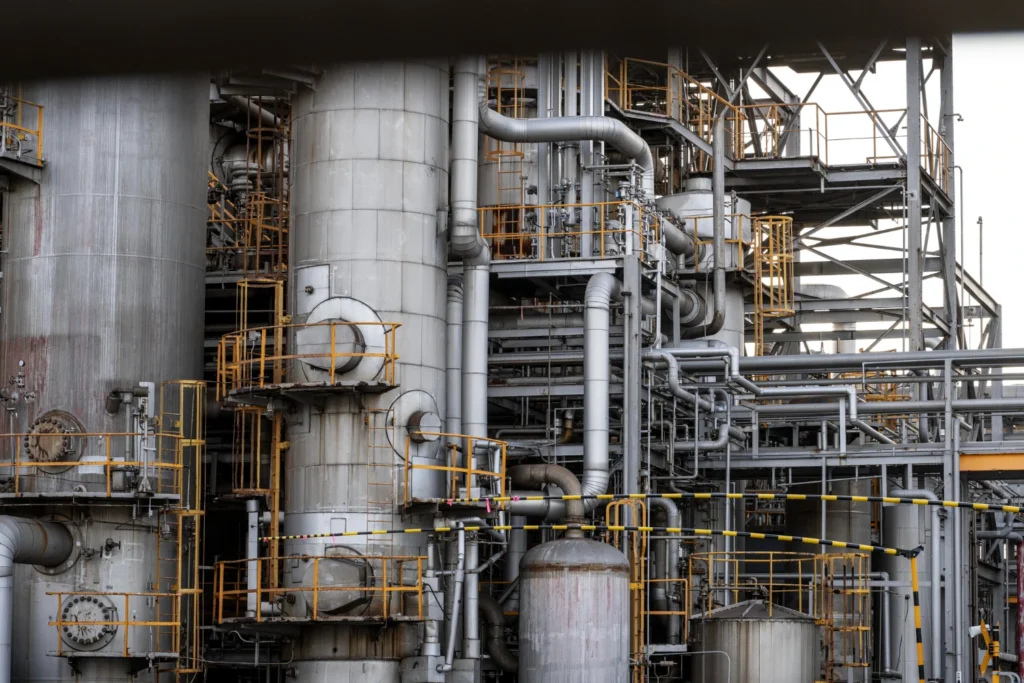
In today’s energy-conscious industrial landscape, improving operational efficiency and minimizing energy waste are top priorities. One of the most effective methods to achieve these goals is through thermal insulation.
In large-scale industries such as oil and gas refineries, power plants, and petrochemical facilities, maintaining process temperature and preventing heat loss are critical for performance, safety, and profitability.
At Nextera Insulations, we specialize in high-performance industrial insulation solutions engineered to optimize thermal efficiency, reduce energy loss, and enhance overall plant productivity — while contributing to a sustainable, low-carbon future.
What is Thermal Insulation in Industrial Settings?
Thermal insulation in industrial applications refers to the use of specialized materials and systems to control heat transfer from process equipment, pipelines, tanks, and boilers.
These insulation systems help maintain required operating temperatures, reduce energy waste, and protect personnel from exposure to high surface temperatures.
Common insulation materials include mineral wool, calcium silicate, ceramic fiber, glass wool, foam glass, and high-temperature coatings — each chosen based on temperature range, application type, and environmental conditions.
Why Thermal Insulation Matters for Industrial Energy Efficiency
1. Reduces Energy Loss and Operational Costs
Industrial plants operate continuously, often at extreme temperatures. Without proper insulation, a significant amount of heat escapes from process systems — increasing fuel consumption and production costs.
Nextera’s engineered insulation systems can reduce thermal energy loss by up to 40%, helping facilities achieve measurable cost savings and lower carbon emissions.
2. Maintains Process Stability
Precise temperature control is essential for consistent product quality and process efficiency. Effective insulation ensures that reactors, pipelines, and heat exchangers operate within the required temperature range, minimizing process deviations and production inefficiencies.
3. Protects Personnel and Equipment
High surface temperatures pose serious safety hazards in refineries and power plants. Thermal insulation reduces surface heat, preventing burns and maintaining a safer workplace.
It also protects equipment from thermal stress, corrosion under insulation (CUI), and premature wear — extending asset life.
4. Supports Sustainability and Emission Reduction
Industrial insulation directly contributes to sustainability by lowering fuel use and CO₂ emissions.
At Nextera, we use eco-friendly, non-toxic, and recyclable insulation materials, ensuring compliance with global sustainability goals and environmental regulations.
5. Meets Industrial Standards and Compliance
Thermal insulation plays a vital role in meeting ASTM, BS and energy-efficiency compliance standards in heavy industries. Well-insulated systems not only improve performance but also help companies meet government-mandated energy audits and green certifications.
How Industrial Thermal Insulation Works?
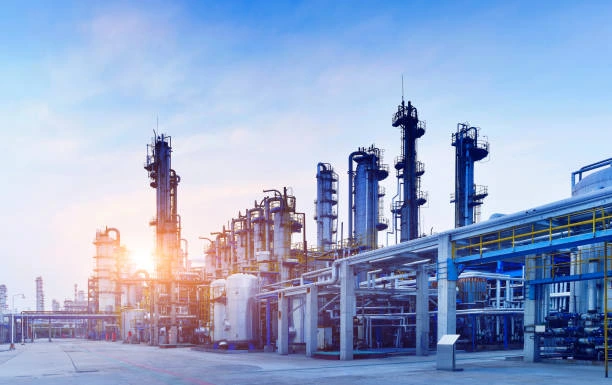
Heat transfer in industrial systems occurs through conduction, convection, and radiation. Nextera’s insulation solutions minimize all three by forming a protective barrier that limits heat flow between process equipment and the surrounding environment.
Key Applications Include:
Pipelines: Prevents heat loss during fluid transport and reduces condensation.
Storage Tanks & Vessels: Maintains stable internal temperature for fuels, chemicals, or gases.
Boilers & Heat Exchangers: Improves thermal efficiency and reduces fuel usage.
Turbines & Ducting Systems: Ensures energy efficiency and operator safety.
Refinery Units & Process Equipment: Optimizes heat recovery and process performance.
Benefits of Nextera’s Industrial Thermal Insulation Solutions
Energy Savings: Reduced heat loss, lower fuel costs, and improved system efficiency.
Safety Assurance: Lower surface temperatures protect workers and prevent accidents.
Durability: Long-lasting materials designed for high-temperature and corrosive environments.
Custom Design: Engineered insulation systems for specific process and environmental conditions.
Sustainability: Eco-compliant products with low environmental impact.
Maintenance Efficiency: Easy installation and long-term performance with minimal maintenance needs.
The Role of Thermal Insulation in Sustainable Industrial Operations
Sustainability in industrial operations goes beyond reducing emissions — it includes maximizing energy efficiency and lifecycle performance.
Thermal insulation is fundamental to achieving these objectives. It helps industries transition toward net-zero energy goals, minimizes waste heat, and enhances energy recovery systems like waste heat boilers and cogeneration units.
By investing in high-quality insulation, industries not only reduce energy expenses but also enhance operational reliability and environmental responsibility.
Nextera’s Commitment to Industrial Energy Efficiency
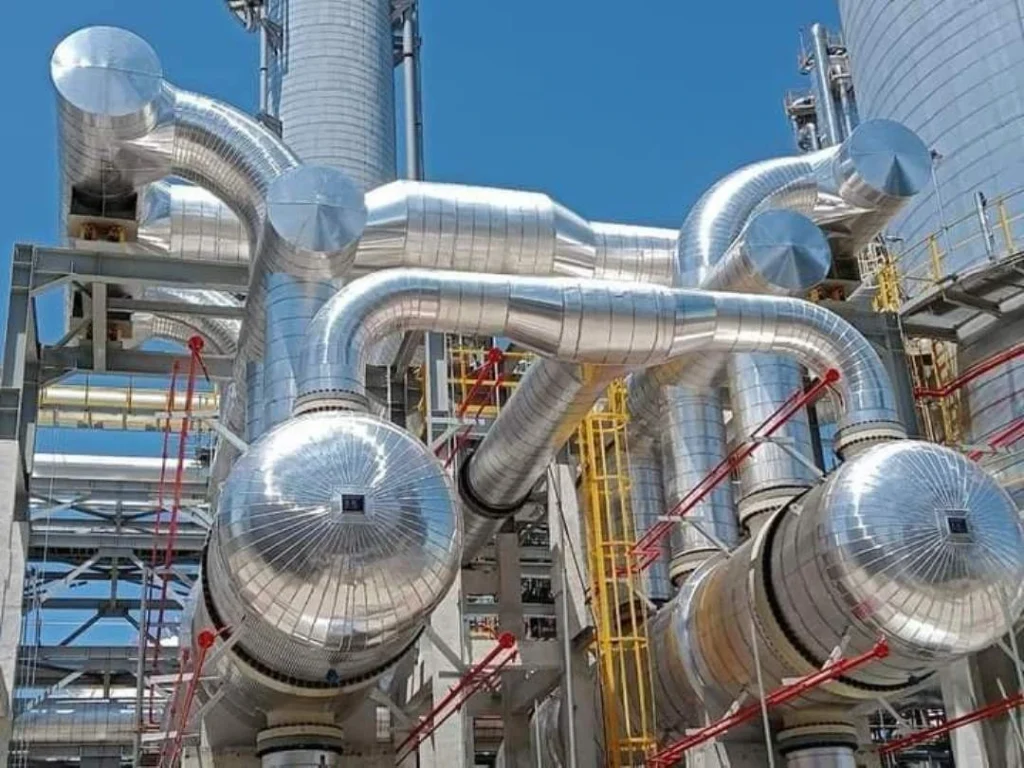
With extensive experience in the oil & gas, power generation, and petrochemical sectors, Nextera Insulations delivers engineered insulation systems that perform under the most demanding industrial conditions.
Our R&D team continuously develops innovative materials and installation techniques to ensure maximum thermal performance, safety, and sustainability.
From system design to on-site installation and quality assurance, we provide end-to-end insulation solutions that empower industries to operate efficiently, safely, and responsibly.
Conclusion
In energy-intensive industries, thermal insulation is not an optional upgrade — it’s a strategic necessity.
It drives operational efficiency, reduces energy consumption, enhances safety, and supports long-term sustainability goals.
Choose Nextera Insulations for reliable, high-performance industrial insulation solutions that deliver measurable energy savings and environmental benefits — keeping your operations efficient, safe, and future-ready.
Frequently Asked Questions
1. What is the purpose of thermal insulation in industrial plants?
Thermal insulation minimizes heat loss from process systems, maintaining operational temperature and improving energy efficiency while protecting equipment and personnel.
2. Which areas in a refinery or power plant require insulation the most?
Critical areas include process pipelines, boilers, heat exchangers, storage tanks, turbines, and steam distribution systems.
3. How does insulation improve energy efficiency in industrial facilities?
By reducing heat loss, insulation decreases the energy required to maintain process temperatures, thereby lowering fuel use and carbon emissions.
4. What types of insulation materials are used in high-temperature industries?
Common materials include mineral wool, calcium silicate, ceramic fiber, foam glass, and high-temperature coatings, selected based on application and temperature requirements.
5. Can Nextera provide insulation solutions for existing plants?
Yes. Nextera specializes in both new installations and retrofit insulation projects to upgrade existing facilities for better energy efficiency.
6. How much energy can industries save with proper insulation?
Properly designed and installed insulation can cut thermal energy losses by 20–40%, depending on operating conditions.
7. Is Nextera’s insulation suitable for corrosive or high-humidity environments?
Absolutely. Nextera’s insulation systems are designed for corrosion resistance and moisture protection, ideal for harsh refinery and chemical environments.
8. Does insulation help reduce carbon emissions?
Yes. By improving energy efficiency, insulation directly reduces fossil fuel consumption and associated greenhouse gas emissions.
9. What standards do Nextera’s insulation systems comply with?
All Nextera products meet or exceed ISO, BS and international industrial insulation standards.
10. How can Nextera help optimize insulation for my assets?
Our experts conduct energy audits, thermal imaging, and performance assessments to recommend the right insulation materials and installation techniques for maximum efficiency.