
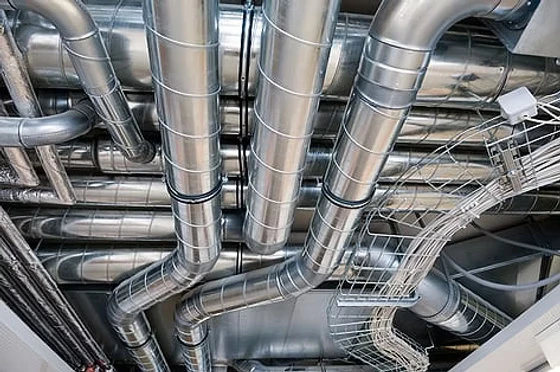
Insulation cladding is essential for protecting mechanical systems from weather exposure, moisture, corrosion, and mechanical damage. Although cladding materials like aluminium and stainless steel are highly durable, their performance depends heavily on proper installation and maintenance. Unfortunately, many facilities make mistakes that compromise insulation performance and accelerate degradation.
This article highlights the most common insulation cladding mistakes and provides expert guidance on how to prevent them. Following these recommendations ensures durability, energy efficiency, and long-term system safety.
Mistake 1: Ignoring Surface Preparation
One of the most frequent issues is applying cladding over poorly prepared insulation.
This includes:
- Wet insulation
- Gaps or unfilled joints
- Loose insulation wraps
- Dust, oil, or contaminants on the surface
Applying cladding over damaged insulation traps moisture and leads to corrosion under insulation (CUI).
How to Avoid It:
Always inspect insulation before cladding installation. Ensure that it is:
- Completely dry
- Properly fixed
- Smoothly aligned
This small step prevents major failures later.
Mistake 2: Incorrect Cladding Material Selection
Some installers choose materials based on cost alone, not considering:
- Temperature range
- Humidity
- Industrial chemicals
- Coastal exposure
Using the wrong material results in corrosion, rapid deterioration, and safety risks.
How to Avoid It:
Use:
- Aluminium jacketing for HVAC, and moderate-temperature applications
- Stainless steel jacketing for high-temperature and highly corrosive environments
Consulting a professional ensures the right selection.
Mistake 3: Poor Measurement and Cutting Practices
Improper measurement leads to:
- Loose-fitting cladding
- Extra seams
- Increased risk of moisture entry
- Time-consuming rework
How to Avoid It:
Measure diameter, thickness, and circumference accurately. Use proper cutting tools and wear PPE for safety.
Mistake 4: Loose or Over-Tightened Fasteners
Incorrect fastening is a major cause of cladding failure.
- Loose bands allow cladding to shift
- Over-tightened bands cause deformation and tear lines
- Incorrect metal combinations create galvanic corrosion
How to Avoid It
Use only recommended fasteners:
- Stainless steel bands for industrial and high-temperature areas
- Aluminium straps for lightweight applications
Install with uniform tension.
Mistake 5: Not Sealing Joints Properly
Unsealed seams allow water to enter, leading to soaked insulation and CUI.
How to Avoid It
Use:
- High-quality mastics
- Sealants designed for hot or cold insulation
- Moisture-barrier-lined jacketing for extra protection
Proper sealing increases cladding lifespan significantly.
Mistake 6: Neglecting Maintenance After Installation
Many facilities install cladding and forget about it, assuming metal lasts forever. Even the best jacketing requires periodic checks.
How to Avoid It
Inspect cladding at least once a year to check:
- Fastener tightness
- Sealant condition
- Surface dents or scratches
- Signs of corrosion
Preventive maintenance is far cheaper than system failure.
Industry Insight: Why Avoiding These Mistakes Matters
Poorly installed cladding directly affects:
- Energy efficiency
- Equipment safety
- Operating costs
- Overall insulation performance
In extreme cases, CUI can cause equipment shutdowns, leaks, or structural damage. By avoiding common mistakes, industries can save millions in repairs and energy loss.
Conclusion
Insulation cladding is an investment in system longevity, safety, and energy efficiency. Avoiding common installation errors ensures that insulation performs at its highest level. With the right materials, accurate installation practices, and routine maintenance, cladding systems can last over 20 years while delivering maximum protection.
Frequently Asked Questions
1. What is insulation cladding and why is it important?
Insulation cladding is the protective outer covering installed over insulation systems. It shields insulation from weather, moisture, corrosion, and physical damage, helping maintain energy efficiency and extend the life of mechanical equipment.
2. What is corrosion under insulation (CUI)?
Corrosion under insulation (CUI) occurs when moisture becomes trapped beneath insulation and cladding, leading to hidden corrosion of pipes or equipment. Poor installation and unsealed joints are major causes of CUI.
3. How does poor surface preparation affect insulation cladding?
Installing cladding over wet, damaged, or uneven insulation traps moisture and reduces insulation performance. Proper surface preparation prevents early failures and costly repairs.
4. Which cladding material is better: aluminium or stainless steel?
Aluminium cladding is ideal for HVAC systems, coastal areas, and moderate temperatures. Stainless steel is better suited for high-temperature and highly corrosive industrial environments. Material selection should be based on operating conditions, not cost alone.
5. Why is proper sealing important in insulation cladding?
Unsealed joints allow water to penetrate the insulation, leading to moisture damage and corrosion. Proper sealing with suitable mastics and sealants significantly increases cladding lifespan.
6. How often should insulation cladding be inspected?
Insulation cladding should be inspected at least once a year. Regular inspections help identify loose fasteners, sealant damage, dents, or early signs of corrosion before major issues develop.
7. Can incorrect fasteners damage insulation cladding?
Yes. Loose fasteners can cause movement and gaps, while over-tightened fasteners may deform the cladding. Using the correct fastener material also prevents galvanic corrosion.
8. Does insulation cladding require maintenance?
Yes. Although metal cladding is durable, periodic maintenance is essential to ensure long-term protection, safety, and insulation performance.
9. What are the long-term benefits of proper insulation cladding installation?
Correct installation improves energy efficiency, reduces operating costs, prevents corrosion, enhances safety, and can extend system life beyond 20 years.
10. How can industries avoid common insulation cladding mistakes?
By using the right materials, ensuring proper surface preparation, accurate measurement, correct fastening, effective sealing, and routine maintenance checks.