
Learn how moisture barriers in aluminium jacketing help reduce Corrosion Under Insulation (CUI), compare Polysurlyn and Polykraft, and choose the right barrier for your project.
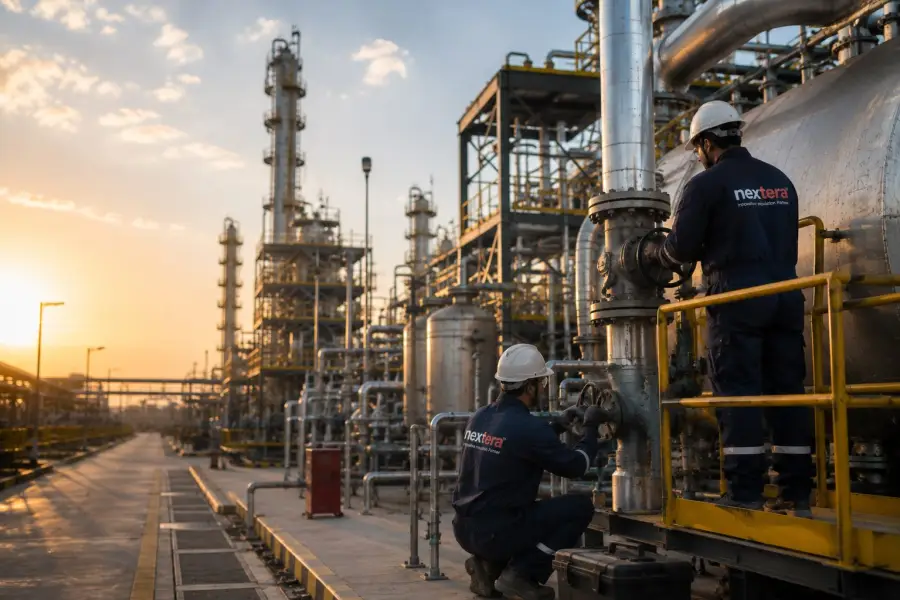
Moisture control is one of the most important considerations in industrial insulation systems. When water enters an insulated pipeline or piece of equipment, it can affect insulation performance and increase the risk of corrosion beneath the insulation. A properly specified moisture barrier in aluminium jacketing helps reduce moisture-related risks and supports the long-term reliability of industrial insulation systems.
For oil and gas facilities, petrochemical plants, power stations and HVAC installations, selecting the right moisture barrier is an important part of insulation system design.
What Is a Moisture Barrier in Aluminium Jacketing?
A moisture barrier is a protective layer applied to the inner surface of aluminium jacketing. It helps separate the aluminium sheet from the underlying insulation material and reduces direct contact between the two surfaces.
Depending on the product design, a moisture barrier can help limit moisture transmission and reduce the risk of unwanted interactions between the metal and insulation.
Moisture barriers are particularly relevant in applications where insulation is exposed to humidity, condensation or outdoor weather conditions. However, the effectiveness of the complete system also depends on joint sealing, installation quality, drainage and material compatibility.
Why Is a Moisture Barrier Important for Industrial Insulation?
1. Helps Reduce Corrosion Under Insulation
Corrosion Under Insulation (CUI) is a serious maintenance concern in industrial facilities. It occurs when moisture reaches susceptible metal surfaces beneath insulation and creates conditions that promote corrosion.
A suitable moisture barrier can help reduce moisture-related risks by separating the aluminium jacketing from the insulation. When combined with appropriate insulation materials, properly sealed joints and regular inspection, it forms part of a broader CUI prevention strategy.
It is important to understand that a moisture barrier alone cannot eliminate CUI. Correct system design and maintenance are equally important.
2. Helps Protect Insulation Performance
Thermal insulation is designed to control heat transfer and maintain the required operating temperature. Moisture entering the insulation can reduce its effectiveness, depending on the insulation material and service conditions.
A correctly selected moisture barrier helps limit moisture-related problems within the cladding system. This supports the intended performance of the insulation and can help reduce avoidable maintenance.
3. Supports Outdoor Insulation Applications
Industrial insulation installed outdoors is exposed to rain, humidity and changing environmental conditions. Suitable aluminium jacketing provides an external protective covering, while an appropriate moisture barrier adds protection at the interface between the metal and insulation.
The complete assembly must be designed to prevent water entry through joints, penetrations and damaged sections.
4. Helps Improve Long-Term System Reliability
Moisture-related insulation problems can lead to inspections, repairs and unplanned maintenance. Selecting compatible jacketing and moisture-barrier materials helps address one of the important risks associated with industrial insulation.
The actual service life depends on material selection, operating conditions, installation quality and maintenance practices.
Types of Moisture Barriers Used in Aluminium Jacketing
Different moisture-barrier materials are available for aluminium insulation cladding. The correct option depends on the application and project specification.
Polysurlyn Moisture Barrier
Polysurlyn is a polymer film used as a moisture-barrier lining on insulation jacketing products.
It is commonly specified where a protective layer is required between the aluminium and the insulation. Its suitability should be assessed according to the product datasheet, operating environment and project requirements.
Polykraft Moisture Barrier
Polykraft is a paper-based laminate incorporating a polymer moisture-resistant layer. It is another option used in selected insulation jacketing applications.
The required barrier type should be determined by the service conditions, compatibility requirements and applicable project specification.
Important: Polysurlyn and Polykraft should not automatically be treated as interchangeable. Their construction, properties and suitability should be verified with the manufacturer before selection.
How to Select the Right Moisture Barrier
Choosing the right moisture barrier requires more than selecting a lining based on price. Engineers and insulation contractors should consider the following factors.
- Operating temperature: Confirm that the barrier is suitable for the intended service temperature and temperature fluctuations.
- Insulation material: Check compatibility between the insulation, aluminium jacketing and barrier lining.
- Environmental exposure: Assess humidity, rainfall, condensation risks, coastal exposure and possible chemical contact.
- Joint and seam design: Ensure overlaps, penetrations and closures are designed to limit water ingress.
- Project requirements: Review the required material specification, technical datasheet and any applicable standards.
- Inspection and maintenance: Establish procedures for checking damaged jacketing, failed seals and potential moisture entry.
These considerations help ensure the selected moisture barrier is suitable for the complete insulation assembly.
Common Mistakes to Avoid When Specifying Moisture Barriers
Even a suitable material can underperform if the insulation system is poorly designed or installed. See also our article on common insulation cladding mistakes.
- Selecting a barrier without checking compatibility: The barrier must suit the insulation material and operating conditions.
- Ignoring joint sealing: Water can enter through seams, penetrations and damaged jacketing even when a moisture barrier is present.
- Assuming the barrier eliminates CUI: Corrosion prevention requires a complete system approach.
- Overlooking environmental exposure: Coastal, humid and chemically aggressive environments may require additional material-selection considerations.
- Skipping inspections: Damaged cladding and failed seals should be identified and repaired promptly.
Addressing these issues during specification and installation can help improve the reliability of industrial insulation systems.
Technical Standards and Material Selection
ASTM C1729 covers physical requirements for aluminium jacketing used with thermal and acoustical insulation in indoor and outdoor applications, including requirements related to material, thickness, surface treatment and moisture retarders.
The applicable edition and project specification should always be checked before procurement. Compliance with a material standard does not by itself guarantee the performance of the complete installed insulation system.
For technical reference, consult the official ASTM C1729 standard.
Aluminium Jacketing with Moisture Barrier from Nextera Insulations
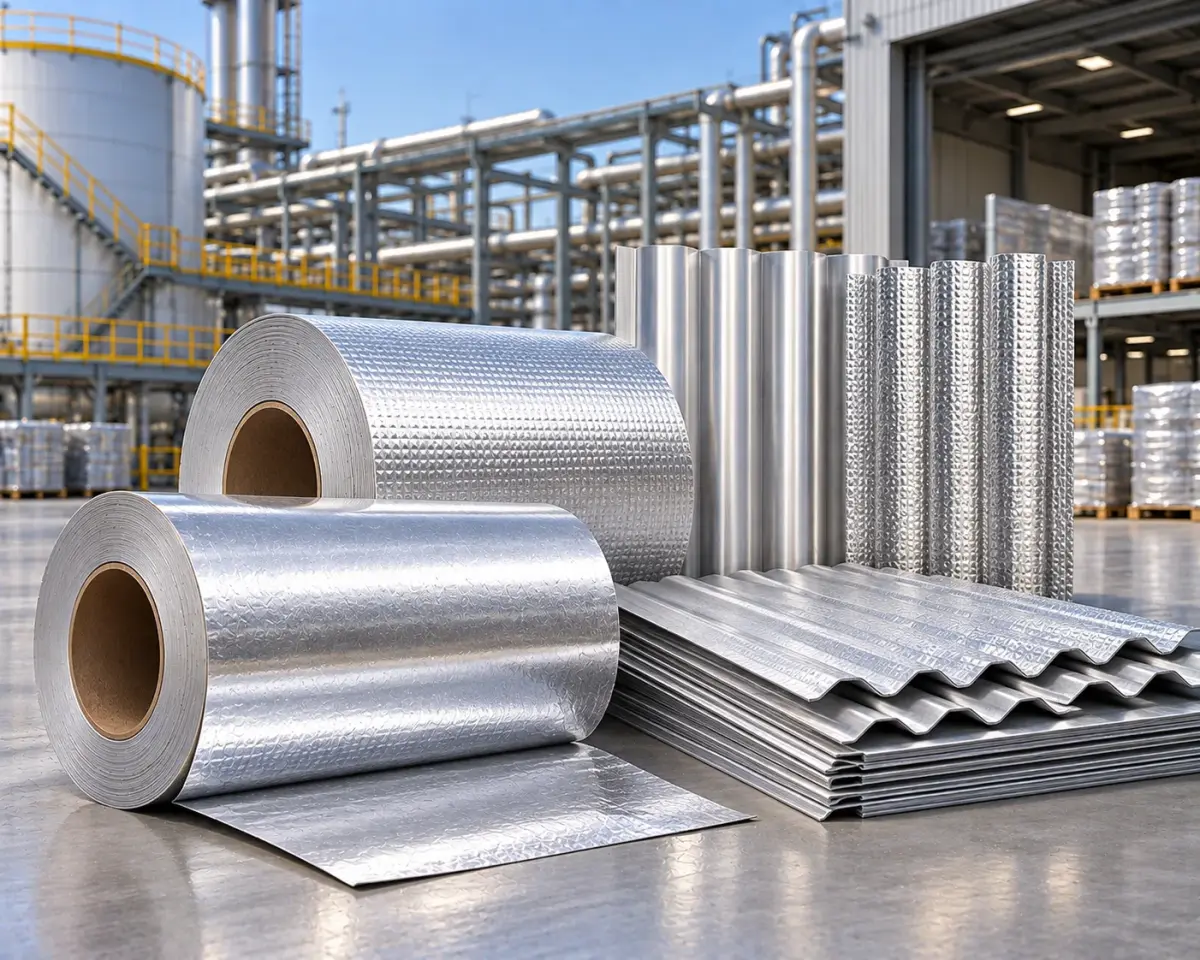
Nextera Insulations supplies aluminium jacketing and cladding solutions with options for different finishes and moisture-barrier requirements, including Polysurlyn and Polykraft, subject to product specifications.
Available aluminium alloys include 3003 and 3105, with mill finish, stucco embossed, corrugated and pre-painted options. Learn more in our complete guide to aluminium jacketing.
For industrial piping, tanks, vessels and HVAC applications, the appropriate material should be selected according to the operating environment, insulation type and project requirements.
To discuss your aluminium jacketing requirements or request a quotation:
- Product page: Aluminium Jacketing & Cladding
- Request a quote: Get a Quote
- Email: sales@nexterainsulations.com
- Phone: +971 4 2633071
Selecting a suitable moisture barrier and correctly installing the complete jacketing system can help protect industrial insulation and support long-term equipment reliability.