
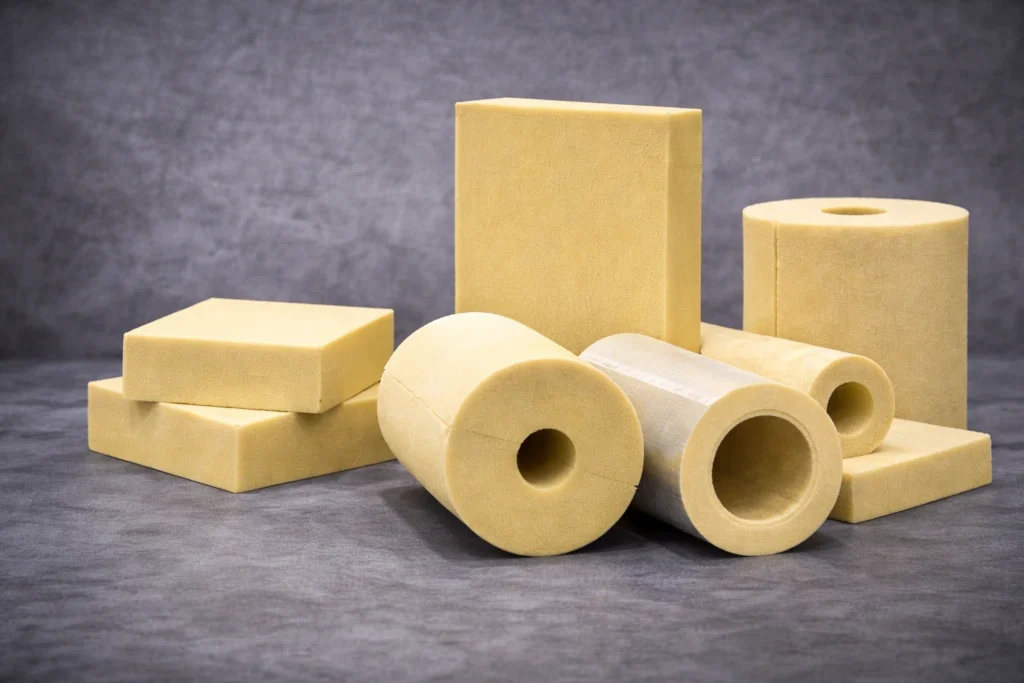
Industrial insulation systems operate under demanding conditions, including temperature fluctuations, environmental exposure, and mechanical stress. Over time, these conditions can reduce insulation performance and affect system efficiency.
Choosing the right insulation material is essential for overcoming these challenges. Polyisocyanurate (PIR) insulation is widely used in industrial and HVAC systems because of its low thermal conductivity, moisture resistance, and structural stability.
Understanding how PIR insulation addresses common insulation challenges helps industries improve performance, reduce energy loss, and extend equipment life.
These solutions are widely adopted by thermal insulation contractors in UAE to improve insulation efficiency and long-term system performance.
Heat Loss and Energy Inefficiency
Heat loss is one of the most common problems in industrial systems. When insulation is not effective, energy is wasted, leading to increased operational costs and reduced system efficiency.
How PIR Insulation Helps
PIR insulation provides high thermal resistance, which reduces heat transfer and helps maintain consistent system temperatures. This improves energy efficiency and supports cost savings over time.
In large industrial facilities, even small improvements in insulation performance can result in significant energy savings.
Moisture Ingress and Corrosion Risk
Moisture entering insulation systems can lead to reduced insulation effectiveness and increased corrosion risk in pipelines and equipment.
How PIR Insulation Helps
The closed-cell structure of PIR insulation helps limit moisture absorption, reducing the risk of water ingress. When combined with proper sealing and cladding, PIR insulation supports long-term system protection.
This is especially important in environments where humidity, rain exposure, or condensation is common.
Insulation Performance Degradation
Some insulation materials degrade over time due to environmental exposure, temperature variations, or aging. This leads to reduced efficiency and increased maintenance requirements.
How PIR Insulation Helps
PIR insulation maintains its structure and performance over extended periods. Its stability ensures that insulation performance remains consistent, reducing the need for frequent replacement or repairs.
Space Constraints in Industrial Installations
In many industrial facilities, space limitations make it difficult to install thick insulation layers.
How PIR Insulation Helps
PIR insulation provides high performance at reduced thickness, making it suitable for installations where space is limited. This allows engineers to achieve required insulation performance without increasing system size.
Installation and Maintenance Challenges
Complex insulation systems can increase installation time and maintenance costs, affecting project timelines and operational efficiency.
How PIR Insulation Helps
PIR insulation is lightweight and easy to handle, simplifying installation. This reduces labor effort and helps ensure consistent installation quality.
Applications Where PIR Performs Effectively
PIR insulation is widely used in:
- Industrial pipelines
- HVAC systems
- Cold storage facilities
- Process equipment
Its versatility allows it to address multiple challenges across different applications while maintaining reliable performance.
Nextera’s PIR Insulation Solutions
Nextera manufactures and supplies PIR insulation materials designed for industrial and HVAC systems. These solutions focus on thermal efficiency, durability, and consistent performance, helping industries maintain reliable insulation systems.
By providing high-quality insulation materials, Nextera supports improved energy efficiency, reduced maintenance requirements, and long-term system protection.
Conclusion
Industrial insulation systems face multiple challenges, including heat loss, moisture ingress, and performance degradation. PIR insulation provides an effective solution by addressing these issues through its thermal efficiency, moisture resistance, and durability.
Selecting the right insulation material is essential for maintaining system performance and ensuring long-term operational reliability.
Frequently Asked Questions
What are the common challenges in industrial insulation systems?
Common challenges include heat loss, moisture ingress, corrosion risks, insulation degradation, and space constraints, all of which can reduce system efficiency and increase maintenance costs.
How does PIR insulation improve energy efficiency?
PIR insulation has low thermal conductivity, which helps reduce heat transfer and maintain stable system temperatures, leading to improved energy efficiency and lower operating costs.
Does PIR insulation help prevent moisture-related issues?
Yes, the closed-cell structure of PIR insulation limits moisture absorption, helping reduce water ingress and protecting insulation systems from long-term damage.
Is PIR insulation suitable for industrial and HVAC applications?
Yes, PIR insulation is widely used in industrial pipelines, HVAC systems, cold storage, and process equipment due to its thermal performance and durability.
Can PIR insulation reduce maintenance costs?
Yes, by maintaining consistent performance and resisting moisture and environmental damage, PIR insulation helps reduce the need for frequent repairs and replacements.
Why is PIR insulation preferred over other insulation materials?
PIR insulation offers a combination of high thermal efficiency, moisture resistance, durability, and performance at reduced thickness, making it suitable for modern industrial applications.
Is PIR insulation suitable for space-constrained installations?
Yes, PIR insulation provides high insulation performance even at lower thickness, making it ideal for installations where space is limited.
How do thermal insulation contractors in UAE use PIR insulation?
Thermal insulation contractors in UAE commonly use PIR insulation in industrial and HVAC systems to improve energy efficiency, reduce heat loss, and ensure long-term insulation performance.