
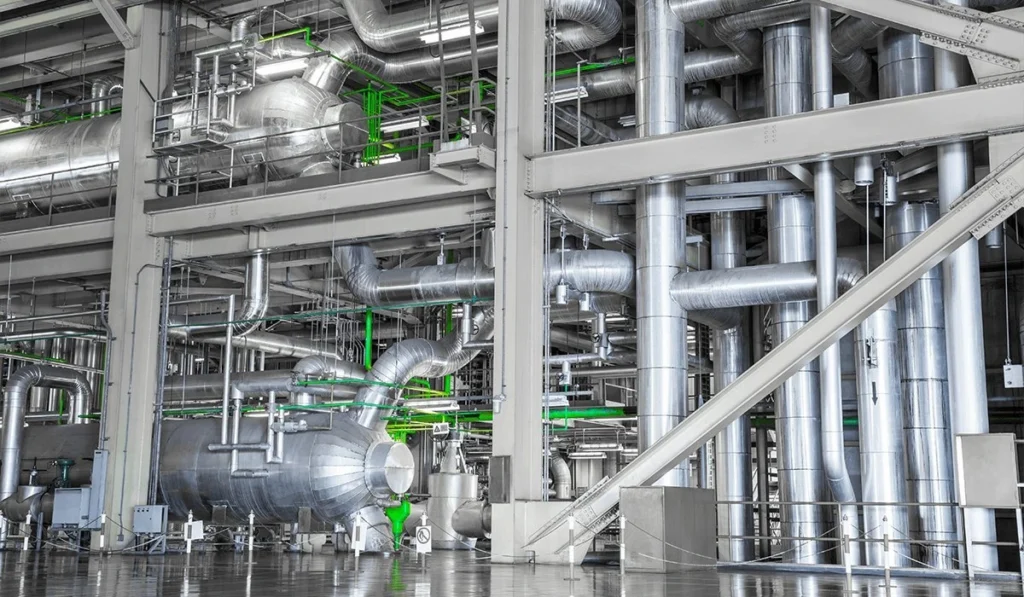
Choosing the right insulation cladding material is critical for ensuring long-term system performance, safety, and reliability. The correct jacketing not only protects insulation but also prevents moisture intrusion, corrosion, and energy loss. At Nextera Insulations, we guide industries in selecting cladding materials that meet the demands of various environments and applications.
1. Operating Temperature Requirements
High-temperature and low-temperature systems require different cladding materials.
High-temperature applications
Refinery piping, steam lines, and processing equipment → Stainless steel is preferred for its heat resistance and structural stability.
Low to medium-temperature applications
HVAC lines, chilled water systems, and outdoor piping → Aluminium jacketing provides excellent durability at a lower cost.
Selecting a material suitable for system temperature prevents deformation and premature wear.
2. Environmental Conditions
Industrial and outdoor environments vary greatly, so cladding must be chosen based on exposure.
Coastal or marine areas
High salt content accelerates corrosion → Moisture-barrier aluminium performs best.
Chemical plants and refineries
Corrosive vapors demand stainless steel (304/316).
Polluted industrial zones
Embossed or coated aluminium offers improved resistance.
Matching the cladding to environmental conditions ensures optimal lifespan.
3. Durability and Mechanical Strength
Systems exposed to regular handling, vibrations, or impact require stronger material options. Stainless steel provides high mechanical strength, while aluminium is ideal when lightweight installation and cost efficiency are priorities.
4. Moisture Protection Needs
Moisture is the leading cause of insulation failure and corrosion under insulation (CUI).
For chilled water lines, outdoor systems, and high-humidity locations, moisture-barrier aluminium is essential to prevent water ingress.
5. Appearance and Aesthetic Requirements
For visible areas—such as exposed HVAC ducts—appearance matters.
- Embossed aluminium → matte finish, hides scratches
- Smooth stainless steel → premium, polished look
Appearance should support both function and design expectations.
6. Budget vs. Long-Term Value
While cost matters, long-term value should guide decisions. Aluminium provides outstanding performance at an affordable price. Stainless steel justifies its higher cost in corrosive or high-temperature environments.
Material Comparison
Aluminium Jacketing
Best for: HVAC, chilled water, tanks, pipelines and equioments
Benefits:
- Lightweight
- Cost-effective
- Excellent corrosion resistance
- High reflectivity
- Easy to install
Stainless Steel Jacketing
Best for: high-temperature and highly corrosive environments
Benefits:
- Excellent structural strength
- Superior corrosion resistance
- Long service life
PVC & Composite Jacketing
Used for specialty applications, mainly indoors, and not suitable for high temperatures.
Conclusion
Selecting the right insulation cladding material is essential for protecting thermal systems, reducing energy losses, and preventing corrosion. By evaluating factors such as temperature, environment, durability, aesthetics, and budget, industries can make informed decisions that support long-term performance.
With reliable aluminium and stainless-steel jacketing solutions available, Nextera Insulations supports projects that require durable, efficient, and high-quality cladding materials.
Frequently Asked Questions
1. What is insulation cladding or jacketing?
Insulation cladding, also known as jacketing, is the outer protective layer installed over insulation systems. It protects insulation from moisture, mechanical damage, corrosion, UV exposure, and environmental wear, helping extend the life of the entire system.
2. Which cladding material is best for industrial insulation?
The best cladding material depends on operating temperature, environment, and exposure conditions. Aluminium jacketing is ideal for HVAC, chilled water, and outdoor piping, while stainless steel jacketing is recommended for high-temperature systems and corrosive industrial environments.
3. Why is aluminium jacketing commonly used?
Aluminium jacketing is lightweight, cost-effective, corrosion-resistant, and easy to install. It also offers high reflectivity and excellent moisture protection, making it a preferred choice for most commercial and industrial insulation applications.
4. When should stainless steel jacketing be used?
Stainless steel jacketing is used in high-temperature systems, refineries, chemical plants, and areas exposed to aggressive chemicals or extreme conditions. Grades like SS 304 and SS 316 provide superior strength and long-term corrosion resistance.
5. What is embossed aluminium jacketing?
Embossed aluminium jacketing has a textured surface that improves durability and hides scratches and dents. It is commonly used in exposed or high-traffic areas where appearance and resistance to minor damage are important.
6. How does jacketing help prevent corrosion under insulation (CUI)?
Properly selected and installed jacketing acts as a moisture barrier, preventing water ingress into the insulation. This significantly reduces the risk of corrosion under insulation (CUI), which is a major cause of system failure in industrial facilities.
7. Is aluminium jacketing suitable for coastal or marine environments?
Yes. Moisture-barrier aluminium jacketing performs well in coastal and marine environments where salt exposure is high. When installed correctly, it provides effective corrosion protection and long service life.
8. Can PVC or composite jacketing replace metal cladding?
PVC and composite jacketing are suitable for specific indoor or low-temperature applications. However, they are not recommended for high-temperature or harsh industrial environments where aluminium or stainless steel jacketing offers better protection and durability.
9. How do I choose the right jacketing thickness?
Jacketing thickness depends on mechanical stress, environmental exposure, and project specifications. High-impact or industrial areas may require thicker gauge materials, while standard HVAC systems can use lighter gauges.
10. Does insulation cladding improve energy efficiency?
Yes. By protecting insulation from damage and moisture, cladding helps maintain thermal performance, reduce heat loss or gain, and improve overall energy efficiency of the system.
11. Is aluminium jacketing more cost-effective than stainless steel?
Aluminium jacketing offers excellent performance at a lower cost, making it ideal for most applications. Stainless steel, while more expensive, provides greater long-term value in high-temperature or corrosive environments.
12. How can Nextera Insulations help in selecting the right cladding material?
Nextera Insulations evaluates operating conditions, environmental exposure, and project requirements to recommend the most suitable cladding solution. With high-quality aluminium and stainless-steel jacketing options, Nextera ensures long-term protection, safety, and system reliability.