
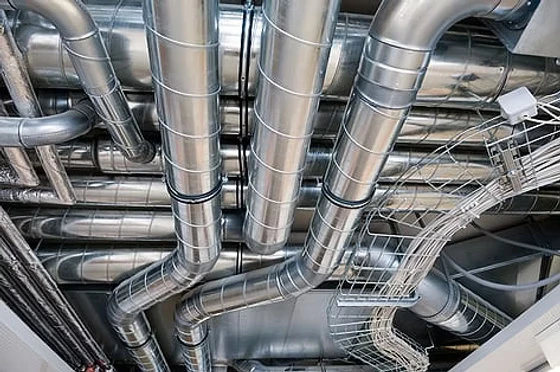
In industrial, commercial, and HVAC applications, insulation systems play a vital role in improving energy efficiency, minimizing heat loss, and ensuring safety. However, insulation alone is not enough — it requires proper cladding to remain durable and effective over time.
Cladding acts as the outer protective layer of an insulation system, shielding it from physical damage, moisture, chemical exposure, and environmental impact. Whether in refineries, power plants, chemical plants, or HVAC systems, high-quality cladding ensures system reliability, longevity, and compliance with safety standards.
What Is Insulation Cladding and Why Is It Important?
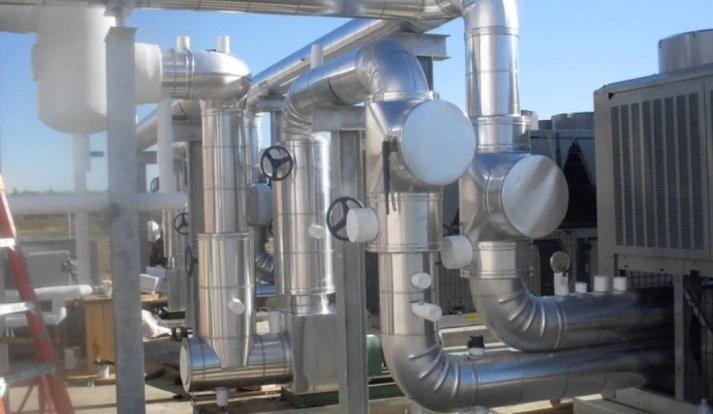
Insulation cladding is the external protective layer that covers insulated pipes, ducts, tanks, and equipment. Its purpose is to protect the insulation from:
- Moisture and humidity
- Mechanical impact or vibration
- UV radiation and weather exposure
- Corrosive or chemical environments
Without proper cladding, insulation can deteriorate prematurely, leading to heat loss, energy inefficiency, corrosion under insulation (CUI), and expensive maintenance.
Metal cladding such as aluminium and stainless steel is widely used for its durability, corrosion resistance, and long-term performance in demanding environments.
Step-by-Step Guide to Insulation Cladding Installation
Step 1: Preparation and Surface Inspection
Before installation:
- Ensure insulation is properly secured and dry
- Check for gaps, cracks, or moisture
- Confirm all joints, fittings, and accessories are in place
Proper preparation helps prevent issues like vapor intrusion and corrosion under insulation.
Step 2: Selecting the Right Cladding Material
Choosing the right jacketing material depends on:
- Operating temperature
- Environmental exposure (coastal, industrial, chemical zones)
- Required durability
- Aesthetic preferences
Common materials:
- Aluminium jacketing
- Stainless steel jacketing
- Aluminized steel
Optional features like moisture barriers or coated finishes add protection and extend service life.
Step 3: Fabricating the Cladding
Accurate measurement ensures a seamless fit.
- Measure diameter, thickness, and length carefully
- Cut with shears or professional cutting tools
- Use safety gloves and protective eyewear
Correct cutting reduces installation time and improves joint alignment.
Step 4: Fitting and Alignment
- Wrap the cladding securely around the insulation
- Maintain overlap of 25–50 mm
- Align panels for a uniform, professional finish
- Use pre-formed sections for pipes to speed up installation
Step 5: Securing the Cladding
Fasten using:
- Stainless steel bands for high-temperature environments
- Aluminium straps for HVAC and lightweight applications
Fasteners should be tight enough to secure the cladding but not over-tightened to prevent deformation or restriction of thermal expansion.
Step 6: Sealing and Weatherproofing
Seal all joints and seams using appropriate sealants or mastic.
For cold insulation systems, sealing is critical to prevent condensation and CUI.
Moisture-barrier-lined jacketing provides extra protection in humid or coastal zones.
Step 7: Inspection and Maintenance
After installation, check:
- All seams are sealed
- Fasteners are secure and corrosion-free
- Surfaces are clean and undamaged
Routine inspections help prolong cladding life and maintain system performance.
Benefits of Metal Jacketing Systems
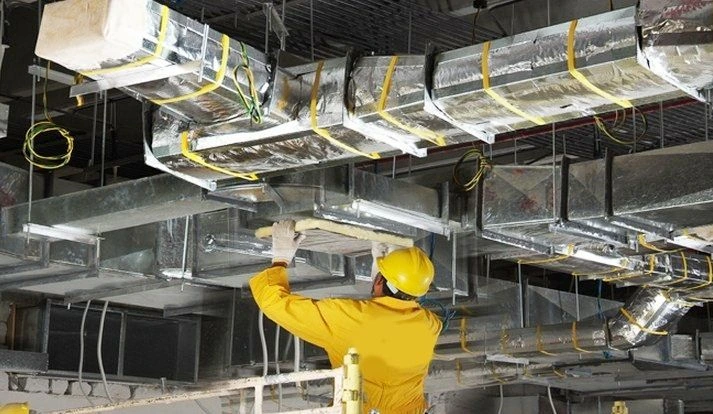
Metal jacketing provides multiple advantages:
- Moisture Protection: Prevents water ingress and insulation damage
- Mechanical Durability: Resists impact and vibration
- High Corrosion Resistance: Suitable for outdoor and industrial environments
- Thermal Stability: Withstands extreme hot and cold conditions
- Professional Appearance: Offers a clean, uniform finish
Benefits of Aluminium Jacketing
Aluminium jacketing is popular across industries due to its balanced performance and cost benefits.
1. Superior Corrosion Resistance
Ideal for marine, coastal, and high-humidity areas. Optional moisture barriers enhance CUI protection.
2. Lightweight and Easy to Work With
Reduces installation time and minimises load on structures.
3. High Reflectivity for Heat Control
Reflects radiant heat, improving thermal performance in hot climates.
4. Cost-Effective and Low Maintenance
Provides long service life at a lower cost compared to other metals.
5. Versatile for Multiple Applications
Suitable for piping, ducting, tanks, and equipment across industrial and HVAC sectors.
6. Clean and Professional Appearance
Maintains a bright, aesthetically pleasing finish.
Embossed aluminium offers improved scratch resistance.
Industry Insight: Why Cladding Matters
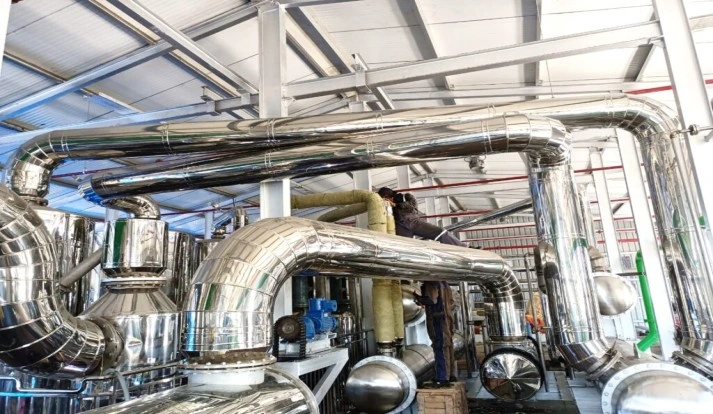
Industries such as oil & gas, power generation, and chemical processing operate under harsh conditions. Without proper cladding:
- Insulation absorbs moisture
- Heat loss increases
- CUI becomes a serious risk
- Maintenance costs rise
- Equipment lifespan reduces
Metal cladding ensures long-term protection, safety, and energy efficiency
Conclusion
Proper insulation cladding installation is essential for maximizing the performance, safety, and life span of insulation systems. By following a structured installation process and using high-quality jacketing materials, you can ensure reliable insulation protection even in the harshest environments.
For high-quality aluminium and stainless-steel jacketing solutions, you may consult Nextera Insulations, a trusted supplier of durable cladding materials for industrial and HVAC applications.
Frequently Asked Questions
1. What is insulation cladding?
Insulation cladding is the outer protective layer installed over insulation to shield it from moisture, impact, UV exposure, and environmental damage.
2. Why is insulation cladding important?
Cladding prevents insulation deterioration, reduces heat loss, stops moisture infiltration, and protects against corrosion under insulation (CUI), ensuring long-term system performance.
3. What materials are commonly used for cladding?
The most popular materials are aluminium and stainless steel due to their durability, corrosion resistance, and suitability for both industrial and HVAC applications.
4. Is aluminium jacketing good for insulation systems?
Yes. Aluminium jacketing is lightweight, corrosion-resistant, cost-effective, and easy to install, making it ideal for piping, ductwork, and outdoor insulation systems.
5. How long does insulation cladding last?
With proper installation and maintenance, high-quality metal cladding can last 20 years or more, depending on environmental conditions and operating temperatures.