

In industries where temperature control plays a critical role, insulation is far more than a protective layer — it’s the foundation of efficiency, safety, and longevity. Whether it’s maintaining high temperatures in processing plants or preserving low temperatures in refrigeration systems, the type of insulation you choose determines system performance and energy savings.
Hot and cold insulation serve different but equally important functions. Understanding their differences helps in selecting the right material for each application. In this guide, we’ll explore what hot and cold insulation are, how they work, where they’re used, and how Nextera Insulations provides high-performance solutions for both.
What Is Hot Insulation?
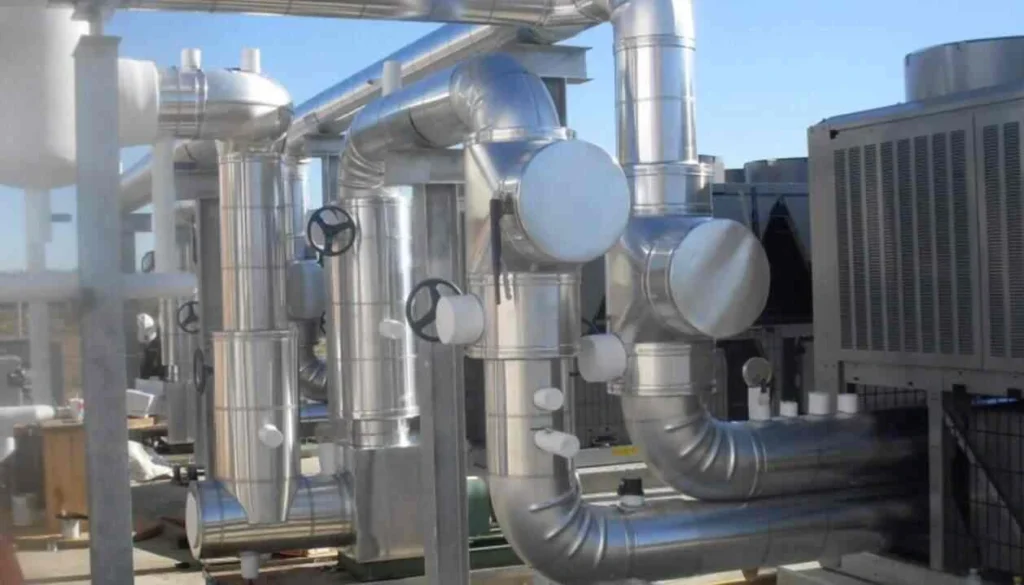
Hot insulation is used to maintain or contain heat within pipes, ducts, or equipment that operate at high temperatures. It prevents heat loss, protects personnel from burns, and improves energy efficiency in industrial systems.
Typically applied to systems where surface temperatures exceed 60°C, hot insulation helps in minimizing thermal loss and safeguarding both equipment and operators.
Applications of Hot Insulation
Hot insulation is widely used in:
- Power plants and refineries
- Chemical and process industries
- Steam pipelines and boilers
- Thermal oil and exhaust systems
These systems operate under extreme temperature conditions, and without proper insulation, energy loss and equipment wear can rise sharply.
Nextera’s Hot Insulation Solutions
At Nextera Insulations, our range of hot insulation materials includes pipes, blankets, boards, and wraps, each designed to meet the rigorous demands of industrial environments. These products are engineered to:
- Reduce heat transfer effectively
- Enhance operational efficiency
- Minimize energy waste
- Protect metal surfaces from heat-related damage
Our high-performance hot insulation materials are tested for durability, resistance to thermal stress, and long-term stability — ensuring consistent performance even in challenging conditions.
What Is Cold Insulation?
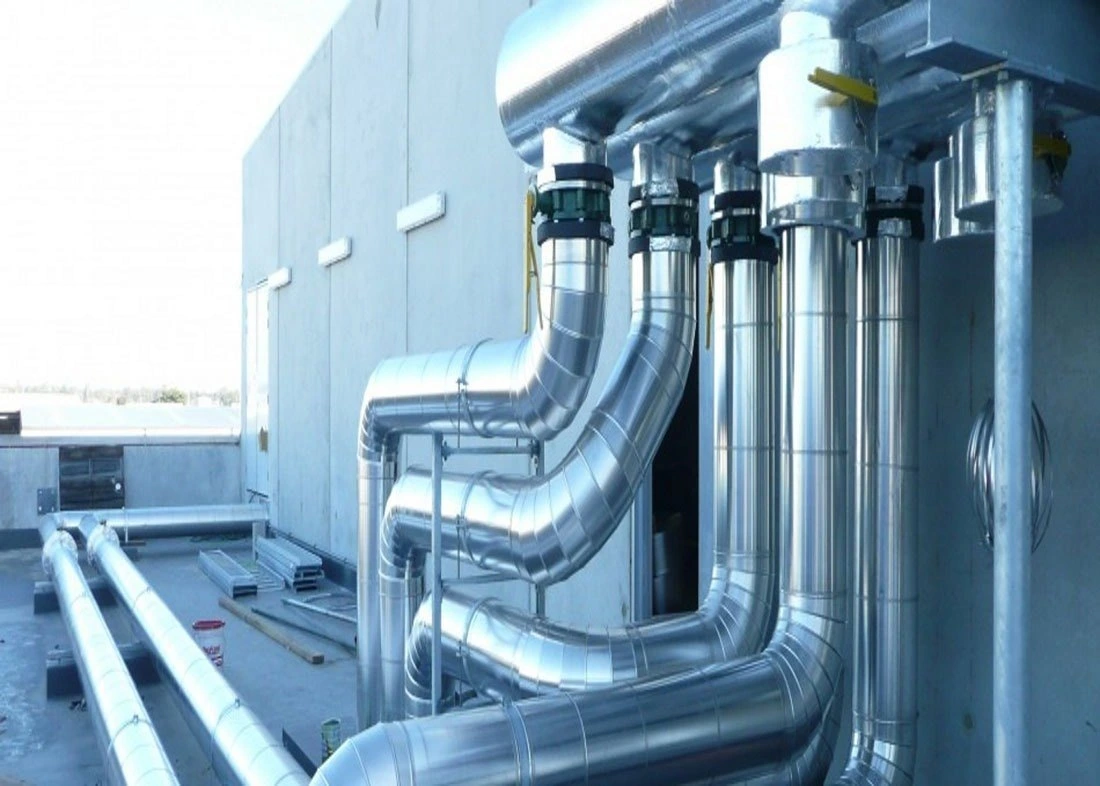
Cold insulation works at the opposite end of the temperature spectrum. It is designed to prevent heat gain and maintain low temperatures in refrigeration, cryogenics, and process cooling systems. The main goal is to maintain product quality, reduce condensation, and prevent energy losses caused by external heat entering the system.
Cold insulation typically applies to systems with operating temperatures below ambient levels, ranging from 0°C down to -200°C.
Applications of Cold Insulation
Cold insulation plays a key role in:
- Food processing and cold storage facilities
- Cryogenic systems
- Air conditioning and HVAC ducts
- Chemical plants and LNG pipelines
Without proper insulation, moisture can condense on cold surfaces, leading to corrosion, mold growth, and reduced system efficiency.
Nextera’s Cold Insulation Solutions
Our cold insulation materials at Nextera are designed for precision and performance. We provide foam boards, wraps, and preformed sections that help:
- Minimize heat gain
- Prevent condensation buildup
- Maintain precise temperature control
- Enhance energy efficiency in cooling systems
Every Nextera cold insulation product is developed to meet international standards for thermal conductivity, moisture resistance, and long-term stability — ensuring your systems operate efficiently and reliably.
Key Differences Between Hot and Cold Insulation
Although both types of insulation aim to control temperature, their functionality and materials differ significantly.
- Purpose:
- Hot insulation minimizes heat loss, while cold insulation prevents heat gain.
- Material Type:
- Hot insulation materials must resist high temperatures without degrading — such as rock wool, calcium silicate, or ceramic fiber.
- Cold insulation uses materials like polyurethane foam (PUR), Polyisocyanurate (PIR), phenolic foam, and elastomeric insulation that provide low thermal conductivity and moisture protection.
- Condensation Control:
- Moisture control is crucial for cold insulation, as condensation can damage both insulation and system integrity. Hot insulation, on the other hand, focuses more on thermal stability and fire safety.
- Protective Coatings:
- Cold insulation often requires vapor barriers or coatings to prevent moisture ingress, while hot insulation may include protective claddings for mechanical durability and weather resistance.
Choosing the Right Insulation for Your Project
Selecting the right insulation depends on several factors:
- Operating temperature range
- Environmental conditions
- Type of equipment and process
- Required energy efficiency and safety standards
Before deciding, always evaluate the system’s thermal requirements and long-term maintenance needs. Partnering with an experienced insulation provider ensures you get reliable materials that match your exact specifications.
At Nextera Insulations, our team of experts helps clients across industrial, commercial, and residential sectors choose solutions that balance performance, safety, and cost-effectiveness.
Why Quality Insulation Matters?
Both hot and cold insulation contribute to the same ultimate goal — optimized energy performance. Proper insulation:
- Reduces operational costs
- Extends equipment life
- Improves workplace safety
- Supports sustainability goals by lowering carbon emissions
Inferior insulation materials can lead to heat leaks, condensation issues, or even safety risks. Choosing a trusted brand like Nextera ensures your system performs efficiently year-round.
Nextera’s Commitment to Energy Efficiency
At Nextera Insulations, we combine years of industry expertise with innovative technology to deliver insulation products that meet the evolving demands of modern industries. Our materials are tested for:
- Thermal performance and durability
- Fire resistance and moisture protection
- Compliance with global safety and quality standards
Whether you need high-temperature insulation for refineries or low-temperature insulation for refrigeration units, Nextera provides customized solutions engineered for lasting performance.
Conclusion
Understanding the difference between hot and cold insulation is essential for making the right choice for your application. While hot insulation helps contain heat and boost efficiency in high-temperature systems, cold insulation protects against heat gain and condensation in cooling environments.
Both play a vital role in energy conservation, system reliability, and long-term sustainability.
When you choose Nextera Insulations, you’re not just selecting a product — you’re partnering with an expert team committed to quality, performance, and energy efficiency. Our range of hot and cold insulation materials ensures every project operates at its peak efficiency, regardless of temperature extremes.
Frequently Asked Questions
1. What is the main difference between hot and cold insulation?
The key difference lies in their purpose.
Hot insulation is used to prevent heat loss from high-temperature systems, while cold insulation prevents heat gain in low-temperature or refrigeration systems. Hot insulation focuses on thermal stability and personnel protection, whereas cold insulation emphasizes moisture resistance and condensation control.
2. What materials are used for hot insulation?
Common hot insulation materials include rock wool, calcium silicate, ceramic fiber, and glass wool. These materials are chosen for their high-temperature resistance and ability to reduce energy loss in steam lines, boilers, and exhaust systems.
3. What materials are suitable for cold insulation?
Cold insulation relies on materials with low thermal conductivity and moisture resistance such as polyurethane foam (PUR), Polyisocyanurate(PIR), phenolic foam,, and elastomeric foam. These help maintain stable low temperatures and prevent condensation.
4. Why is moisture control important in cold insulation?
Moisture can lead to condensation, corrosion, and damage to both insulation and the underlying equipment. Cold insulation must include a vapor barrier or protective coating to stop warm air from coming into contact with cold surfaces.
5. Can the same insulation material be used for both hot and cold applications?
No, each application requires specific materials designed for its temperature range and conditions. Using the wrong insulation can cause thermal inefficiency, system damage, or safety risks.
6. How does hot insulation improve energy efficiency?
Hot insulation reduces heat loss from high-temperature systems, helping maintain desired operating temperatures with less energy use. This improves process efficiency, reduces fuel costs, and enhances system safety.
7. How does cold insulation prevent condensation?
Cold insulation materials have low permeability and thermal conductivity, preventing warm ambient air from condensing on cold surfaces. Proper installation with vapor barriers ensures long-term protection and efficiency.
8. What factors should be considered when choosing insulation?
Key factors include operating temperature, environmental conditions, installation type, energy-saving goals, and maintenance requirements. Consulting an insulation expert like Nextera helps identify the best material for your specific project.
9. How long does insulation last?
With quality materials and correct installation, insulation can last for 10–25 years or more, depending on temperature exposure, environmental conditions, and maintenance. Nextera’s products are tested for long-term durability and stability.
10. Why choose Nextera Insulations for your project?
Nextera Insulations offers a comprehensive range of hot and cold insulation solutions designed for maximum performance, safety, and energy efficiency. With years of expertise and certified materials, Nextera ensures your project meets international standards for quality and sustainability.